“The Future of Gaming: Trends to Watch in 2024”
Cloud Gaming

Cloud gaming services, like Xbox Cloud Gaming and NVIDIA GeForce Now, are gaining traction, allowing players to stream games directly to various devices without the need for expensive hardware. This trend:
- Reduces the barrier to entry for gaming, as users can play AAA games on lower-end devices.
- Encourages cross-device development, meaning games need to be optimized for mobile, PC, and consoles alike.
- Will likely push developers to focus on network optimization and latency reduction, since seamless gameplay will be crucial to maintaining a strong user base.
- Could make subscription models more popular, as players subscribe to platforms for access to vast libraries rather than buying individual games.
AI Integration

AI is becoming increasingly important, not only in improving game mechanics but also in automating development processes. AI’s role could include:
- Smarter NPCs: AI will enhance non-playable characters’ behavior, making them more adaptive, realistic, and capable of responding dynamically to player actions.
- Procedural Content Generation: AI can help generate game worlds, quests, and stories, allowing for more expansive and diverse game environments without requiring massive amounts of manual development.
- Personalized Experiences: AI could tailor gameplay experiences to individual players, adapting difficulty, game choices, or even narratives based on player behavior and preferences.
- Development Assistance: AI tools may help developers identify bugs, optimize code, and even create game assets, speeding up production timelines.

Cross-Platform Play

Cross-platform gaming has become increasingly popular, with titles like Fortnite and Call of Duty allowing players across different platforms to game together. This trend:
- Broadens player bases, as friends can play together regardless of their device.
- Challenges developers to standardize experiences across various hardware setups, which can be tricky due to differing control schemes (keyboard/mouse vs. console controllers) and performance capabilities.
- May push game companies to focus more on online services and community features that integrate cross-platform communication, matchmaking, and in-game economies.
VR/AR Advancements

Virtual Reality (VR) and Augmented Reality (AR) have seen steady improvements, and 2024 could be the year these technologies move further into the mainstream:
- Immersive Experiences: VR’s rise offers developers the chance to create highly immersive, 360-degree worlds that players can explore in unprecedented ways.
- AR Enhancements: AR, as seen in games like Pokémon Go, is expanding into more interactive and detailed environments, merging digital assets with the real world for unique gameplay experiences.
- Accessibility and Hardware: As VR/AR devices become more affordable and less bulky, game developers will have to consider how to optimize for these platforms, designing user interfaces and game mechanics that feel natural in 3D environments.
- Social VR: Developers could focus more on multiplayer VR experiences, enhancing social interactions in virtual spaces, creating digital worlds for users to explore and socialize together
Esports and Competitive Gaming
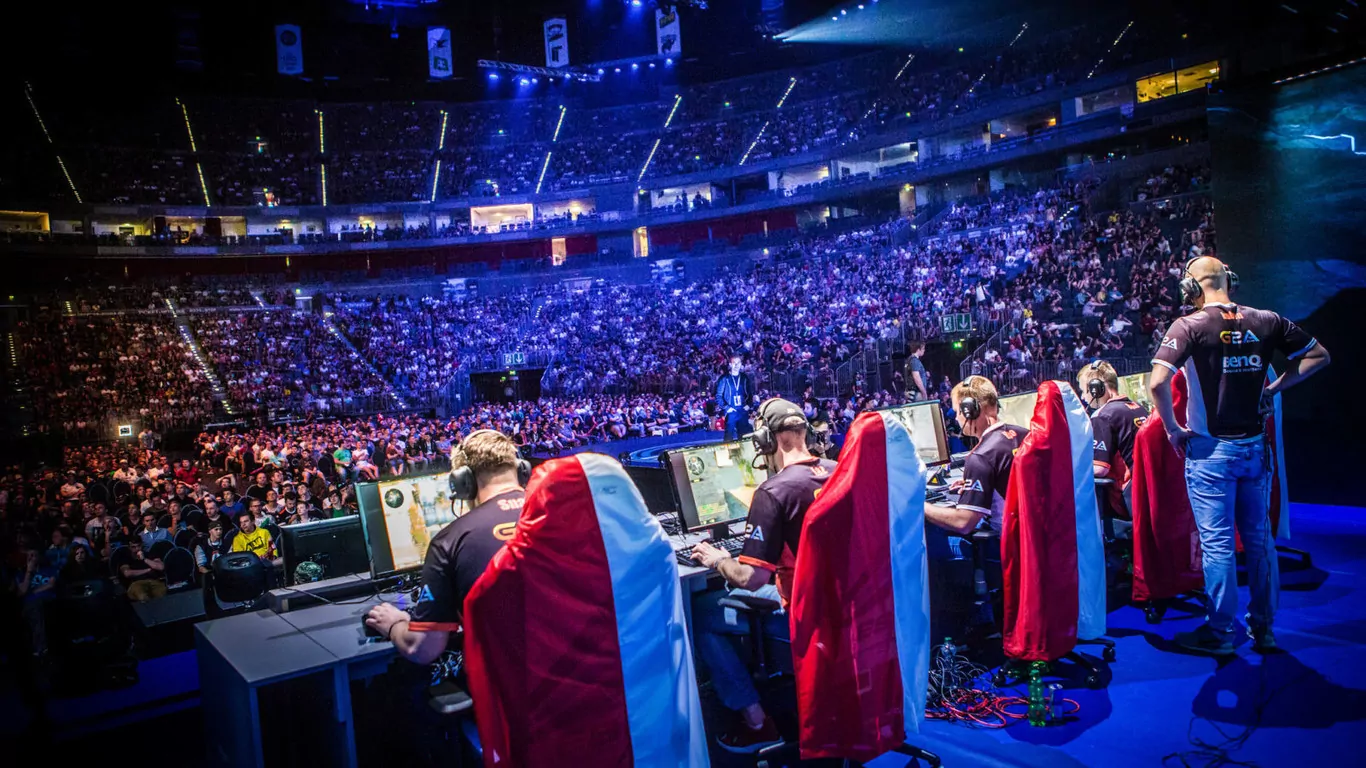
Competitive gaming continues to grow, with more investment in esports leagues, tournaments, and live streaming platforms like Twitch.This trend:
- Drives developers to design balanced, skill-based gameplay that appeals to professional gamers and casual fans alike.
- Encourages the creation of spectator-friendly features, such as improved broadcasting tools, customizable viewing angles, and live stats.
- Pushes studios to develop live-service models, where games are regularly updated with new content, balancing changes, and seasonal events to keep the competitive scene fresh.



 CONTACT US